DWR Finish – How It Impacts Your Clothing
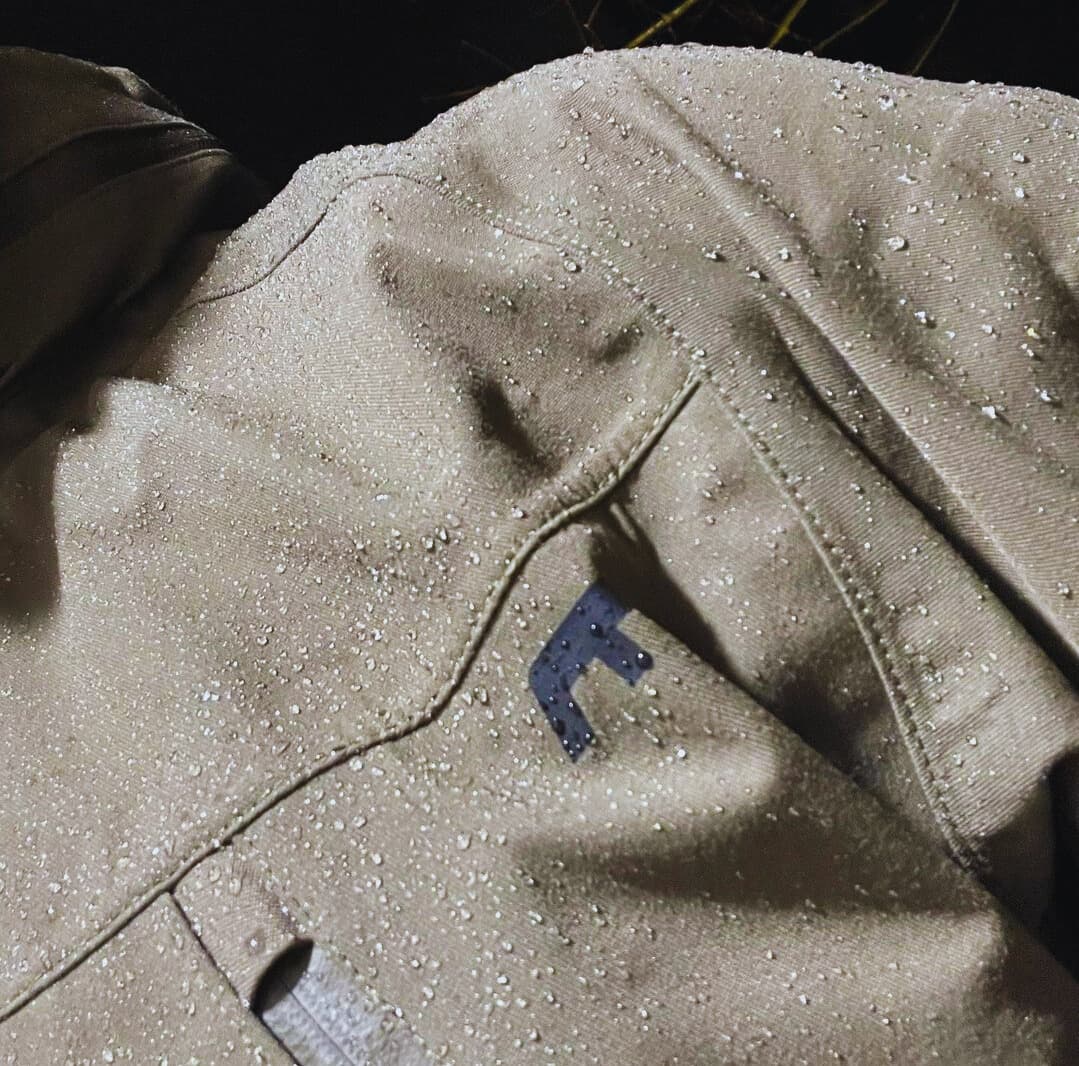
Durable Water Repellent (DWR) is an essential component of the textile industry that few people know about. DRW coatings are a type of finish applied to fabrics to make them water-resistant. These coatings can be used on various fabrics, including outdoor gear, clothing, and accessories. DWRs work by creating a barrier on the fabric’s surface that causes water to bead up and roll off rather than soaking into the fabric.
One standard method for applying DWR to jackets is to use the treatment during manufacturing. This ensures the treatment is evenly distributed across the jacket’s entire surface and provides a durable, long-lasting barrier against water.
Another way to apply DWR to a jacket is by spray-on treatment. These treatments can be easily applied at home. DWR spray can temporarily boost the jacket’s water-resistant properties, but it may not be as durable as coatings used during manufacturing.
Each brand defines its DWR durability, but it usually ranges from 3 to 20 washes. Currently, most outdoor sports brands define their DWR at 80/20, meaning that after 20 washes, it still has 80% efficiency. Mantle’s testing procedures require an 80/20 minimum.
Here are some things you can do to extend the life of the DWR finish on your clothing.
- Use Tech Wash: Always use a cleaner designed for waterproof gear (like Nikwax Tech Wash or Grangers) instead of regular detergents, which leave residue that kills DWR.
- Avoid Softeners & Powders: Fabric softeners and powdered detergents are major DWR killers.
- Rinse Well: Run an extra rinse cycle to ensure all soap is gone.
- Limit Backpack Wear: Keep backpack straps snug to avoid rubbing the shoulders and back, high-wear areas.
- Avoid Sun & Dirt: Minimize sun exposure and use gear in cleaner environments when possible.